J. A. Harrison
Anne of AvonleaJ. A. Harrison is an unconventional farmer whose first encounter with Anne Shirley is a furious complaint about a Jersey cow in his oats. Their early clash gives way to an embarrassed, unexpectedly friendly neighbor: he welcomes Anne into his home, takes pride in his parrot Ginger, and approves of the Avonlea Village Improvement Society. His introduction turns a reputation for crankiness into a more complicated portrait of temper, shame, affection, and civic interest.
Identity and Background
Harrison arrives in Avonlea after buying a farm adjoining the Cuthbert place. He is a New Brunswick man, and little else is initially known about him. Before he has lived in the settlement for a month, he has acquired a reputation for being odd; Rachel Lynde calls him a crank. The label reflects his difference from his neighbors, but the events that follow show a man who is both quick to anger and capable of reconsidering how he has treated someone.
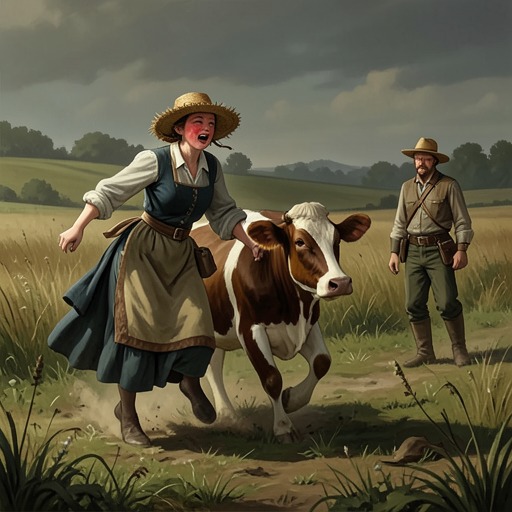
The narrative gives him a distinctive physical presence in his first confrontation with Anne: he is short, fat, and bald, and his round face turns purple with rage. That comic exaggeration makes his entrance as outsized as his behavior. Yet his appearance and reputation do not explain him completely; the story soon places his temper beside his evident capacity for embarrassment and attachment.
The Cow Dispute
Harrison’s first appearance follows a demure Jersey cow scurrying down the lane. He bounds over the fence rather than wait to open the gate and confronts Anne, who has not met him before. He is incensed because he has found the cow in his oats for the third time: first the previous Tuesday, then the day before, and again that day. He says he had already warned Anne’s aunt not to let it happen again and has come to give her a piece of his mind.
Anne asks him to explain the trouble with practiced dignity, but her manner does not calm him. Harrison’s complaint is specific and, from his perspective, accumulated: this is not a single intrusion but a repeated nuisance after a warning. His explosive entrance nevertheless makes Anne face the dispute before she understands who he is or what has happened. The episode introduces the friction between the new neighbor and the Cuthbert household through a practical farm problem, while making Harrison’s impatience impossible to miss.
Embarrassment and a Change in Tone
When Anne later approaches his house, Harrison is sitting on a vine-shaded veranda, enjoying his evening pipe. On recognizing her, he suddenly springs up, bolts inside, and shuts the door. The gesture is not another attack: he is surprised and ashamed of his outburst the day before. Anne, unaware of that explanation, fears that his anger may be worse than before, and the retreat nearly sweeps away the remainder of her courage.
Harrison then opens the door with a sheepish smile and invites her in, speaking mildly and in a friendly, if nervous, tone. He has put aside his pipe and donned his coat, and he politely offers her a dusty chair. The contrast between his flight and this careful reception gives his remorse a visible form: rather than defend his earlier temper, he meets Anne with an effort at courtesy. The parrot watching from its cage is the one warning that the visit may not proceed smoothly.
Ginger, Anne, and Avonlea
Harrison’s affection for Ginger reveals a softer and more steadfast side of him. He explains that his sailor brother named the parrot, perhaps with its temper in mind, and admits that Ginger has faults, including swearing habits that attempts to correct have not changed. Other people object to the bird, but Harrison likes parrots and says Ginger is a great deal of company to him. Nothing, he insists, would induce him to give the bird up. His attachment is emphatic enough that he flings the declaration at Anne as though he suspects her of planning to take Ginger away.
Anne, however, is beginning to like the queer, fussy, fidgety little man, and before the meal is over they have become good friends. Their relationship thus moves quickly from accusation to ease, not because Harrison’s eccentricities disappear, but because Anne encounters them in a more intimate setting and sees the loyalty beneath his bluster. He also learns about the Avonlea Village Improvement Society and approves of its purpose, remarking that there is room for improvement in the settlement and its people. Anne immediately defends Avonlea as lovely and its people as nice. Their exchange shows both Harrison’s practical outsider’s view and Anne’s affection for the community: he is ready to criticize it, while she resists hearing that criticism from him. Together, the cow dispute and the friendly meal establish Harrison as more than the crank of local report—a neighbor whose temper can cause friction, but whose attachments and capacity for friendship make him part of Avonlea’s life.